lesson
How to Control Heat on an Ordinary Home Stove
Learn to read the pan, recover from temperature swings, and choose heat by result instead of knob position.
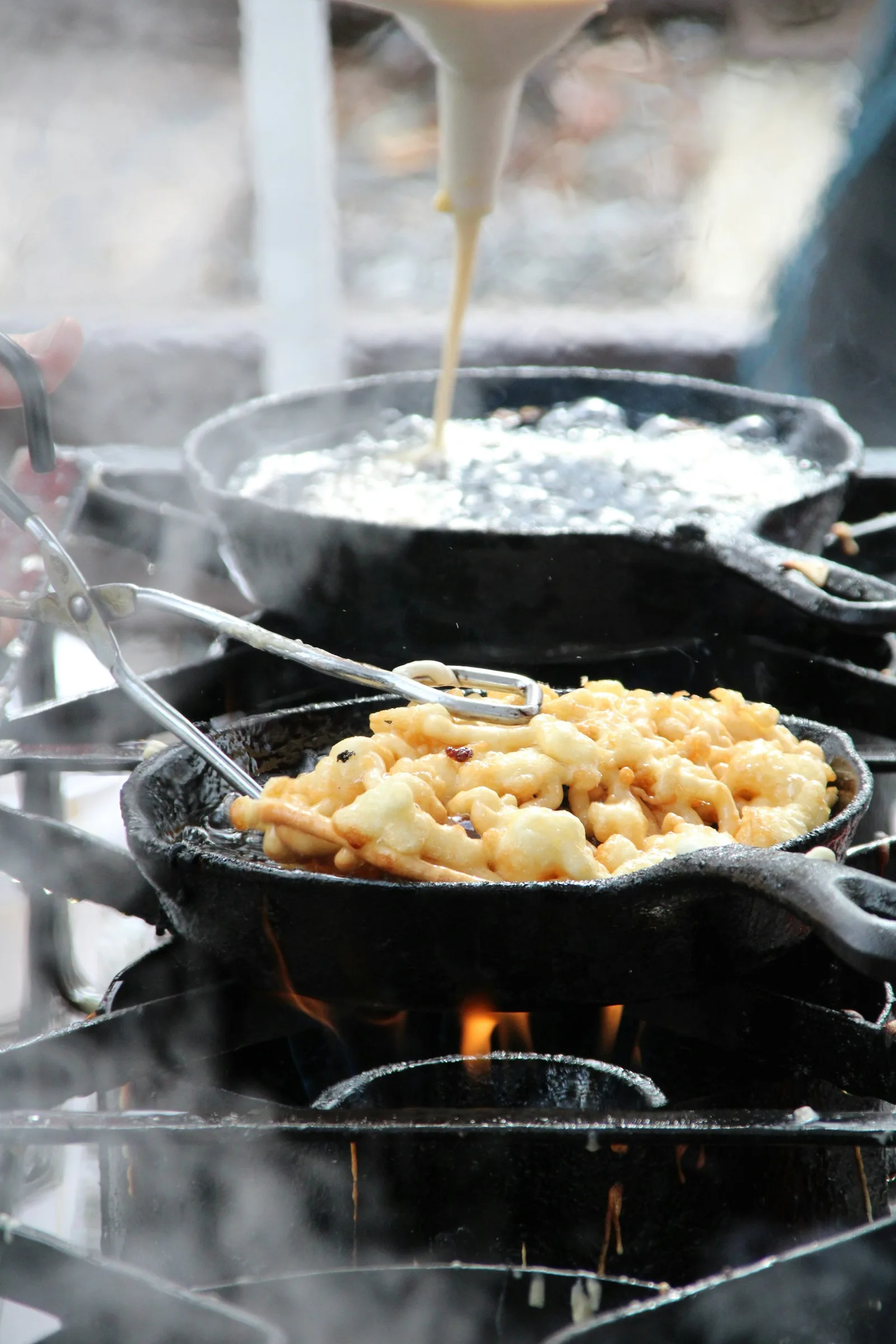
The numbers around a stove knob are not temperatures; they are input settings for the stove's thermostat. Every burner type, pot or pan material, batch of food, and kitchen location changes what those numbers produce. True heat control begins when you stop asking “What number?” and start asking “What is the pan doing?" and "What do I need the pan to do?”
Heat is a Moving Target
An empty pan will gain heat AND lose heat quickly. Cold food absorbs the pan's stored heat, while water leaving the food cools the surface of the pan through evaporation. A crowded pan may be hot before dinner goes in and too cool thirty seconds later.
Heavy cookware such as cast iron changes temperature slowly but stores the energy longer; thin cookware responds quickly to temperature changes and can overshoot quickly with poor temperature control.
Knowing how your equipment operates and responds to changes is essential to becoming a knowledgeable cook. Experienced cooks adjust the temperature throughout the job depending on both the current and future needs of the pan.
Restaurant vs. Consumer Equipment
Most people cannot afford restaurant-quality equipment for their home kitchen. That equipment is constructed under the assumption that it will be used every day for eight or more hours for years. Consumer products are not created under these same constraints or usage demands. The difference in price reflects this.
Your four-burner home stove will not keep up with the workload of a commercial four-burner stove that you would find in a chain restaurant focused on steaks or pasta. This means that heat distribution may be less even on your home coil stove than on a gas burner in a steakhouse.
This creates hot and cold spots on your cooking surface. Knowing the hot zones that your burner/eye creates can make all the difference in your grilled chicken burning or having that nice golden brown color.
A Practical Method
- Put the pan on a burner close to the same size as the pan. Begin around medium heat (5–6).
- Give the empty pan time to warm evenly—usually one to three minutes, depending on its material and your burner.
- Add cooking fat (butter/oil/lard).
- Add one test piece of protein or hardy vegetable. Note the sizzle as it touches the pan and wait around 5-10 seconds before adding another piece.
- Add food without packing the pan. Expect the temperature to fall with each added piece.
- Adjust temperature in small steps, then wait long enough to observe the effect. Try to replicate the sizzle from your first placed protein or vegetable.
Use three kinds of movement
Use the knob for gradual changes. Slide the pan partly off the burner for a faster reduction. Lift it or completely remove when the surface is running away from you. Removing a pan from heat is not failure; it is one of the fastest controls available.
With an electric coil or glass top, the burner stays hot after you turn it down. Keep this in mind when lowering the temperature of pans made of heavy materials. Move the pan to a cold burner rather than waiting.
With gas, the response to temperature changes is faster because the burners can apply heat to more of the pan's surface area. Keep in mind that the flames can climb the pan, waste heat, and scorch handles or oil at the edges.
Common failures
If food is pale and wet or isn't sizzling:
- Remove some of the food
- Let liquid evaporate
- Restore a steady sizzle to the pan
If the outside burns before the center cooks:
- Lower the input and allow time for heat to travel inward.
If brown bits on the pan turn black, transfer the food, wipe the pan with a paper or cloth towel, and begin again; burned residue will make everything in the oil taste bitter or burnt.
The next lesson
Heat is only one part of browning. Continue with How to Brown Meat and Vegetables Properly to manage moisture, contact, and batch size.