method
How to Cook Several Foods So They Finish at the Same Time
Plan a complete meal backward from serving time using holding windows, shared temperatures, and active-work limits.
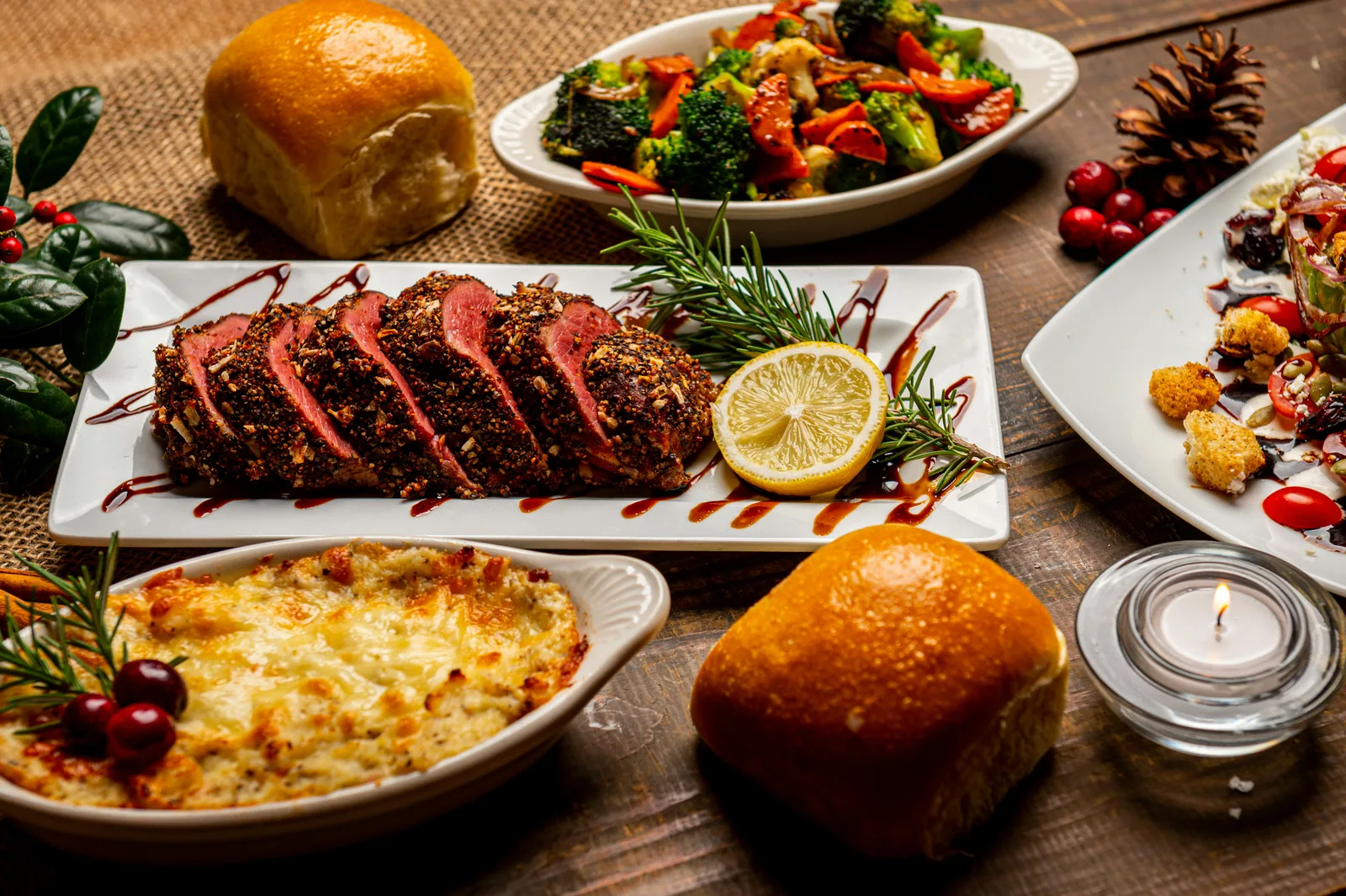
A meal finishes together when you plan around each food’s holding window, not when every pan starts at the same time. Braised meat can wait. A crisp cutlet cannot. Rice benefits from resting. Delicate greens decline by the minute.
Work backward from the table
Write the serving time at the bottom of a short list. Above it, note how long each item cooks, whether the time is active or unattended, and how well it holds.
Start long, forgiving foods first: braises, baked potatoes, grains, sturdy roasted vegetables, and sauces. Save quick, fragile foods for the end: fish, eggs, fried items, toast, herbs, and dressed salads.
Use holding windows deliberately
- Rice can rest covered for 10 to 20 minutes.
- Roasted vegetables can often wait briefly in a warm place, uncovered enough to protect their surface.
- Braises and stews usually improve with a short rest.
- Seared meat needs an appropriate rest but should not sit indefinitely.
- Fried food and delicate fish should be served promptly.
Do not seal crisp food under foil; trapped steam softens it.
Reduce simultaneous active work
Choose only one component that requires constant last-minute attention. If the main course needs continuous sautéing, make the side a reheatable grain, simple salad, or oven-roasted vegetable. Mise en place matters most during the final ten minutes: cut garnishes, measure sauce ingredients, and set out serving dishes before the fragile item starts.
Share heat intelligently
Foods can share an oven when their useful temperature ranges overlap. Cut dense vegetables smaller or give them a head start. Add delicate vegetables later. On the stove, move a finished pot to a cold burner and use the active burner for the next task.
Build in a small buffer. Dinner that is ready five minutes early is easier to manage than three components that are each five minutes late. For a single-pan version of the same sequencing logic, read How to Cook a Complete Meal With One Skillet.