lesson
Paprika: Flavor, Color, and Warmth
Tell sweet, hot, and smoked paprika apart and use each without burning or burying its aroma.
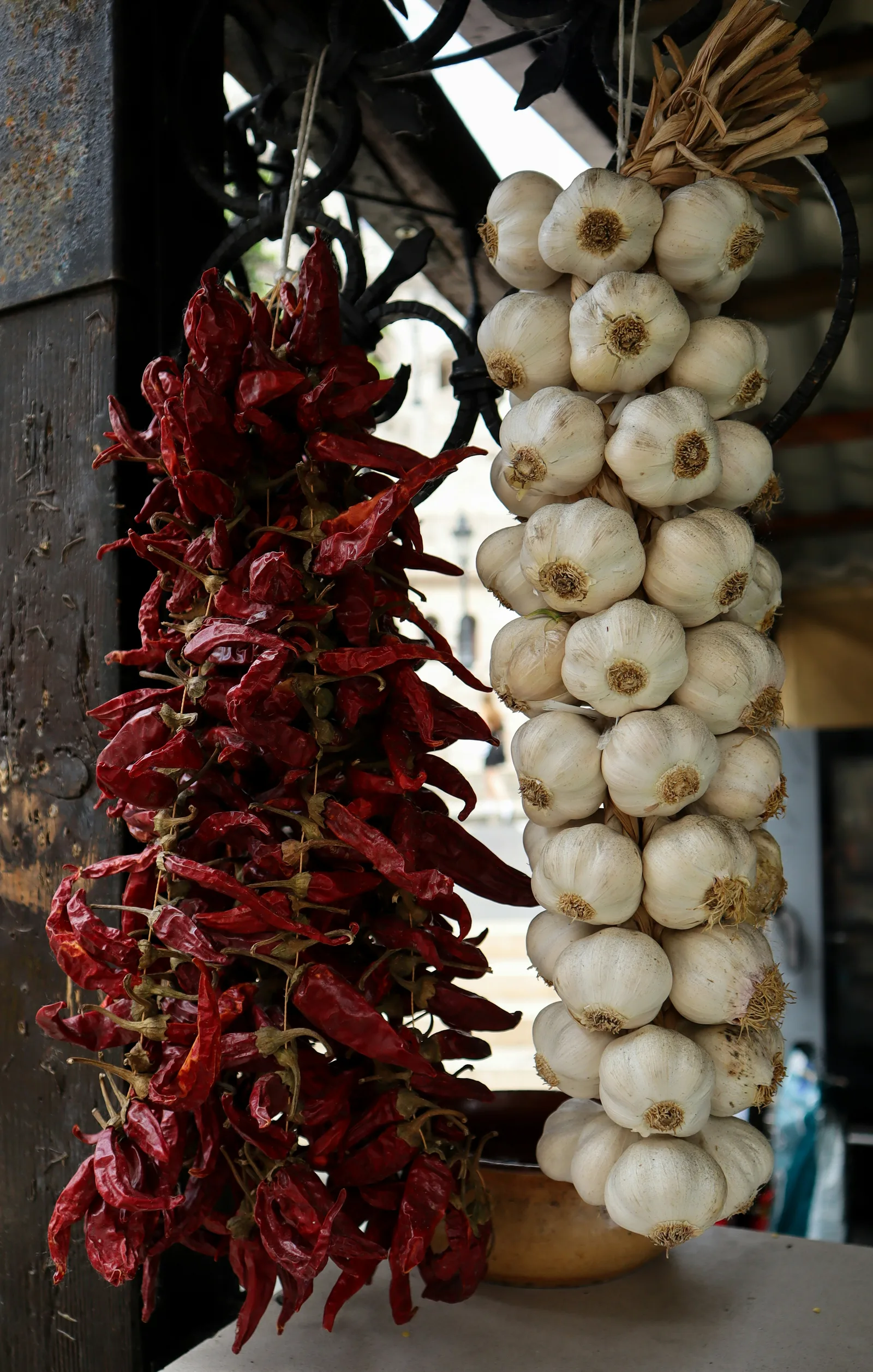
Paprika is ground dried pepper, but the name covers ingredients that behave very differently. One jar may be mild, sweet, and fruity. Another may be hot. Smoked paprika can make beans taste as if they shared a pot with cured meat. Reading the label matters.
Know the three useful families
Sweet paprika provides red color, gentle pepper flavor, and little heat. It works in potatoes, chicken, eggs, rice, beans, stews, and dry rubs.
Hot paprika brings some of the same color and pepper character with noticeable chile heat. Its strength varies, so start small.
Smoked paprika, often labeled pimenton, tastes of peppers dried over smoke. A small amount adds the suggestion of grilling or long-cooked sausage. It can dominate quickly, especially in delicate food.
Labels such as Hungarian or Spanish describe traditions, not one guaranteed heat level. Look for words such as sweet, hot, bittersweet, or smoked.
Wake it up without burning it
Paprika's color and aroma spread well in fat. After softening onion or garlic, lower the heat and stir in paprika for roughly 15 to 30 seconds, then add tomatoes, broth, or another wet ingredient. If the pan is fiercely hot, take it off the burner before adding the spice.
Burned paprika tastes bitter and dusty. Sprinkling it only onto finished food gives color but often leaves much of its aroma locked away. In dry rubs and roasted foods, mix it evenly with salt and other seasonings so patches do not scorch.
Use enough, then balance it
Unlike cayenne, mild paprika is often used by the teaspoon rather than the pinch. Begin with about a teaspoon in a four-serving pot when it is a supporting flavor, or follow a tested recipe when paprika is central. Smoked and hot versions need a more cautious hand.
If smoked paprika takes over, dilute the dish and add fresh ingredients or acid to restore dimension. If sweet paprika tastes flat, check the salt before adding more spice. If it tastes bitter, more paprika will not help; add base ingredients and replace the old jar before the next meal.
Sweet paprika can replace some hot paprika when you also add cayenne for controlled heat. A smoky chile powder can stand in for smoked paprika, but it may bring salt, cumin, garlic, or much more heat. Taste the substitute before committing.
Next, learn how another vivid spice works in How to Use Turmeric Without Making Everything Taste Like Turmeric.