method
How to Substitute Ingredients Without Ruining Dinner
Replace ingredients by culinary function, then adjust moisture, salt, acidity, fat, and cooking time.
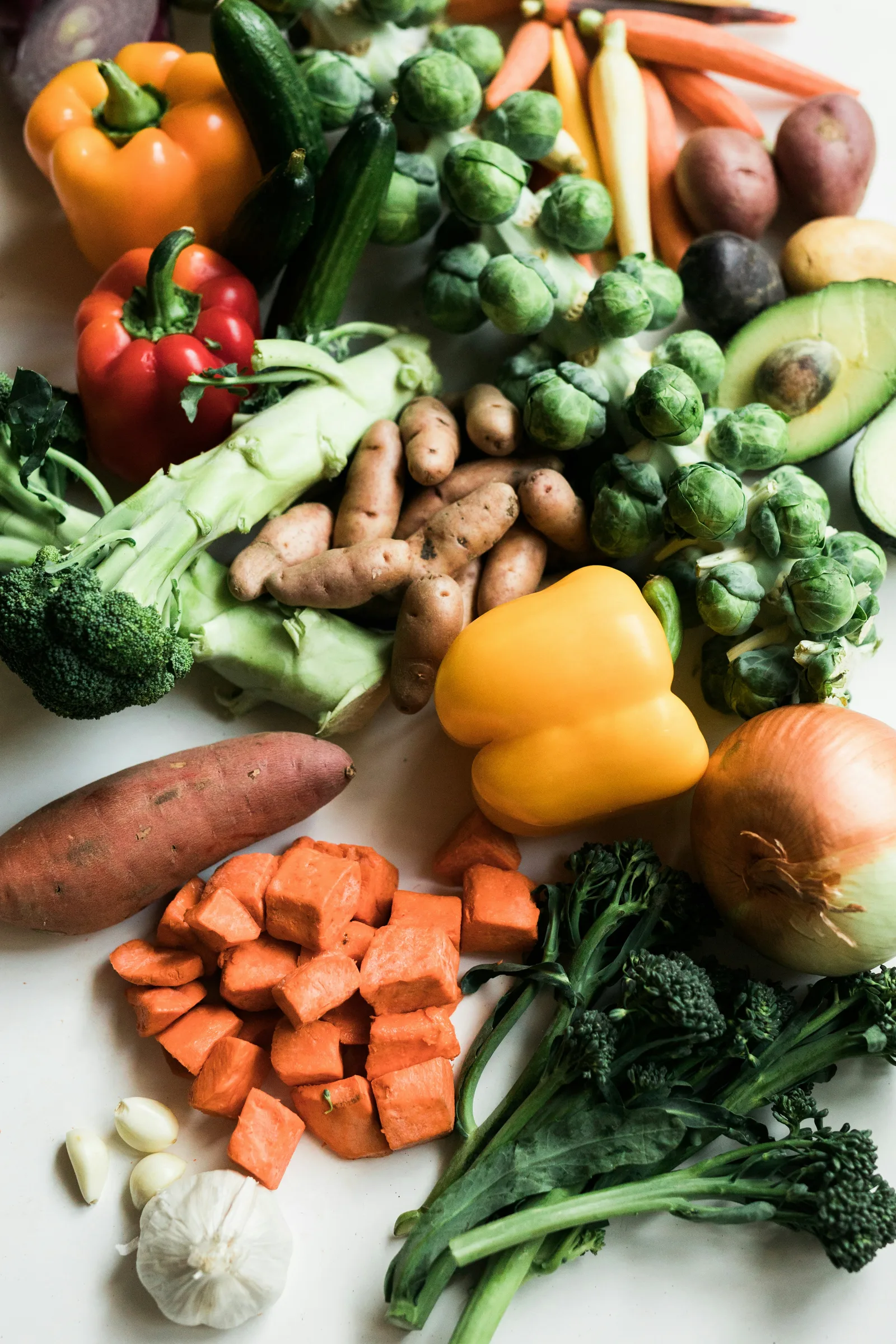
The safest substitution is not the ingredient that looks most similar. It is the ingredient that performs the same job. Before swapping, ask what the original contributes: bulk, liquid, fat, salt, acidity, sweetness, thickening, structure, aroma, or browning.
Separate essential jobs from optional flavor
In a soup, parsley may be optional aroma while broth supplies most of the liquid and salt. In a pan sauce, wine supplies liquid, acidity, aroma, and some sweetness. Replacing it with the same amount of vinegar would preserve only one of those jobs and overwhelm the dish.
A practical wine substitute might be mostly unsalted stock or water plus a small amount of vinegar or lemon added to taste. One ingredient can be replaced by two when the functions are divided.
Use families of ingredients
- Acid: lemon, lime, vinegars, pickle brine, yogurt, or tomatoes. Strength varies, so add gradually.
- Fat: butter, neutral oil, olive oil, rendered fat, coconut milk, or cream. Water content and flavor differ; choose replacements by heat, flavor, and form.
- Body and protein: beans, lentils, eggs, tofu, dairy, meat, or fish. Texture and cooking time matter.
- Aromatics: onions, shallots, leeks, scallions, garlic, celery, or spices. They are related, not identical.
- Thickeners: flour, cornstarch, potato starch, reduction, puree, dairy, or egg. Each needs a different method.
Change one variable at a time
Begin with less than the full amount when the replacement is salty, sour, sweet, spicy, or strongly flavored. Watch the texture before matching the original quantity. A drier substitute may need liquid; a watery vegetable may need longer evaporation.
Know when not to improvise
Savory stovetop dishes are forgiving because you can taste and adjust. Baking is less forgiving: flour proteins, sugar, fat, eggs, and leaveners create structure through measured reactions. Use a tested substitution for cakes, breads, custards, canning, and allergy-sensitive cooking.
For dinner, make the smallest functional change, keep some liquid or seasoning in reserve, and taste before serving. Then use How to Turn Random Ingredients Into Dinner to put the method to work.