lesson
How to Choose the Right Cooking Fat
Compare cooking oils, butter, ghee, coconut oil, and animal fats by heat, flavor, cost, and the job they need to do.
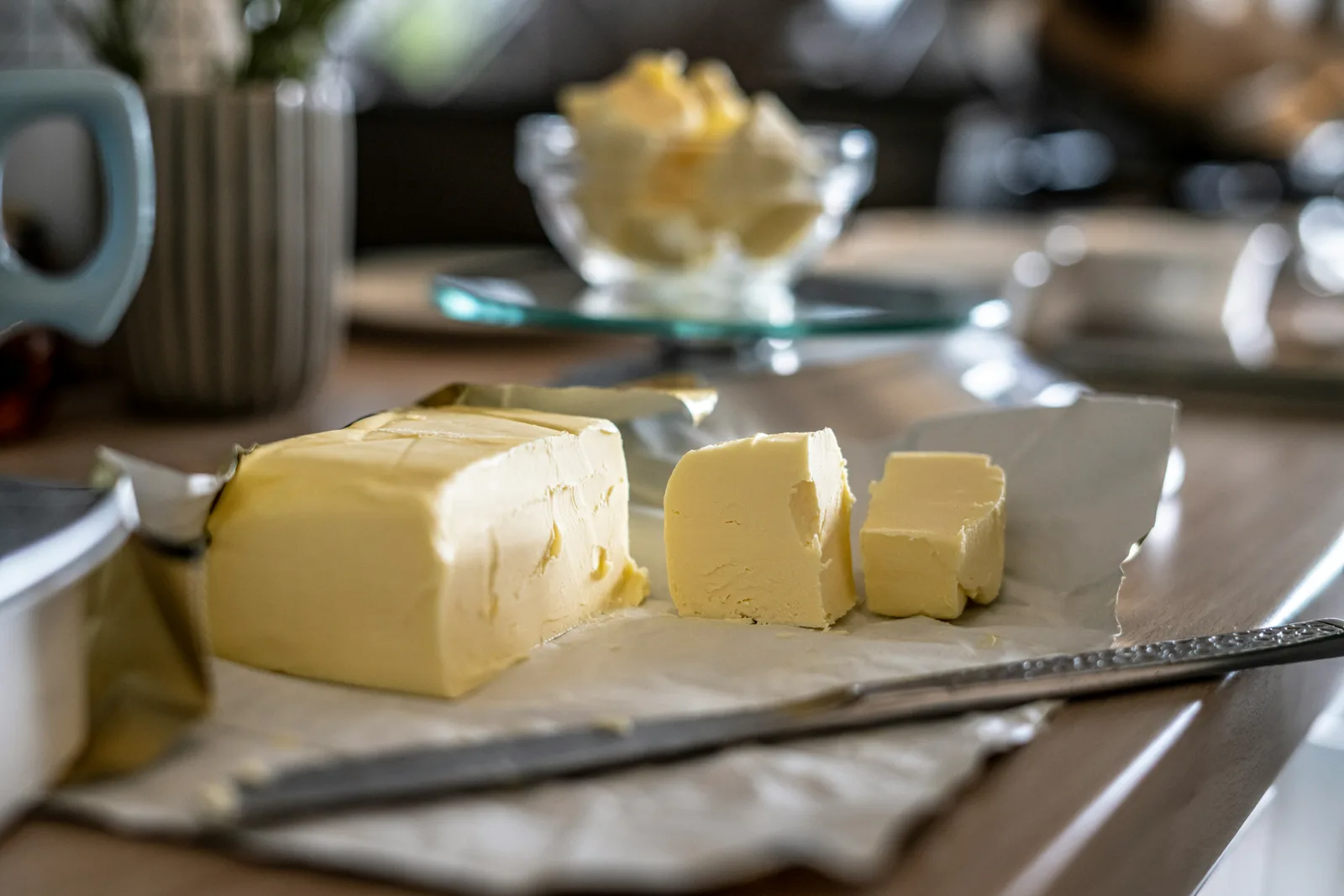
Cooking fat helps transfer heat between food and the pan, carries flavor, helps seasonings spread, and changes how a finished dish feels in your mouth. The best choice is not always the oil with the highest advertised smoke point. It is the affordable fat that can handle the cooking method without adding a flavor you do not want.
Most products called oil are fats that remain liquid at room temperature, though coconut and some other oils can become solid in a cool kitchen. Butter, shortening, lard, and other solid fats do many of the same jobs, but they can contain water, milk solids, or other ingredients that change how they behave. A recipe that says "oil" usually expects nearly pure fat, so a spread is not always an equal substitute.
Start with the cooking job
- Searing, stir-frying, or shallow-frying: Refined neutral oil handles sustained heat without competing with the food.
- Everyday sauteing and roasting: Neutral oil and olive oil both coat food well; choose by flavor and price.
- Eggs, pancakes, and gentle cooking: Butter, olive oil, and neutral oil all work because high-heat tolerance is less important.
- Finishing a cooked dish: Extra-virgin olive oil, butter, or a flavorful rendered fat adds richness you can still taste.
- Baking: Use the fat named in a tested recipe because water content and solid texture can affect structure.
Smoke is a warning, not a target. Smoke-point charts can look precise, but a fat's actual behavior varies with refinement, age, brand, and food residue already in the pan. If the fat smokes steadily or smells sharp, remove the pan from the heat, let it cool, discard burned fat when practical, and restart lower.
Refined neutral oils
Canola, generic vegetable, soybean, corn, sunflower, peanut, grapeseed, and refined avocado oil are commonly used for neutral or relatively mild cooking, although flavor varies by product. They are useful when you need a thin film for browning without a strong flavor. The least expensive suitable bottle is usually the sensible choice; high-priced oil offers little advantage when its flavor is intentionally neutral.
"Vegetable oil" is usually a blend or a single commodity oil chosen by the producer, so check the label if allergies or a specific fat matter. Peanut oil has a mild but recognizable flavor and requires the same allergy care as other peanut products.
Olive oil
Extra-virgin olive oil contributes peppery, fruity, or grassy flavor. It works well for dressings, finishing, roasting, and most ordinary stovetop cooking, provided the pan is not allowed to overheat. Refined or "light-tasting" olive oil has less flavor and is more suited to cooks who want olive oil without making it a major part of the dish.
You do not need to avoid extra-virgin olive oil every time a pan gets hot. Reserve an expensive, strongly flavored bottle for places where you can taste it, and use a less costly olive or neutral oil when the cooking method would hide that flavor.
Butter, clarified butter, and ghee
Butter brings rich flavor and helps foods brown, but ordinary butter also contains water and milk solids. Those solids can turn brown and nutty, then black and bitter if the pan stays too hot. For longer browning, begin with oil and add butter after lowering the heat, or use clarified butter or ghee.
Clarified butter has had most of its water and milk solids removed. Ghee is clarified butter cooked longer for a toasted flavor. Both tolerate more heat than whole butter, though neither rescues an overheated pan.
Coconut oil, animal fats, and shortening
Coconut oil is solid or soft in a cool room. Unrefined coconut oil tastes distinctly of coconut; refined versions are milder. It can work in sauteing and baking when that flavor and firm texture fit the dish, but it is not a universal one-for-one replacement in baking.
Lard, bacon fat, chicken fat, beef tallow, and other rendered fats add savory flavor and can be useful for frying, roasting, beans, vegetables, and pastry. Strain homemade rendered fat, refrigerate it promptly, and discard it if it develops an unpleasant or rancid smell. Remember that bacon drippings also bring salt and smoke flavor.
Shortening is nearly all fat and remains solid at room temperature, which makes it useful in some pastries and frying methods. Margarine and tub spreads vary widely: some behave like butter, while others contain enough water to make frying splatter or baking results unreliable. Read the label and use a product intended for the job.
Use enough, then adjust
For skillet cooking, begin with enough fat to form a thin, continuous film across the cooking surface. A very rough pan, breaded food, shredded potatoes, or multiple batches may need more. For browning and ordinary sautéing, food should usually sizzle when it enters, and liquid oil should move easily across the pan without producing persistent smoke.
If the pan develops dry patches, add a little fat around the edge so it warms before reaching the food. If food sits in a deep greasy pool during ordinary sauteing, use less next time. Fried food that turns greasy is often cooking too cool, but adding more heat is not an automatic fix: crowding and wet food can also collapse the pan temperature.
Store fat by smell, light, and time
Heat, light, and air make fats turn rancid. Keep everyday oils tightly closed in a cool, dark cabinet away from the stove. Refrigerate specialty oils if their label recommends it and you use them slowly. A stale, paint-like, crayon-like, or otherwise unpleasant smell means the fat should be discarded.
Do not pour used cooking fat down the drain. Let a small amount cool and solidify before putting it in the trash, or strain reusable frying oil into a clean, labeled container if it was not overheated, does not smell stale, and contains no remaining food particles.
Substitute by function
For most savory stovetop cooking, replace one cooking fat with an equal amount of another that suits the heat and flavor. A neutral oil can replace olive oil when its flavor is not important. Olive oil can replace neutral oil in moderate-heat cooking when its flavor fits. Ghee or refined oil can replace butter when butter would burn, but the finished dish will taste different.
Baking is less flexible because whether a fat is solid or liquid—and how much water it contains—can affect texture and structure. Follow a tested conversion rather than assuming butter, liquid oil, shortening, and spread are interchangeable.
Put the choice into practice with How to Brown Meat and Vegetables Properly, or use How to Substitute Ingredients Without Ruining Dinner when the fat named in a recipe is unavailable.