lesson
Stainless Steel vs. Cast Iron vs. Nonstick
Choose pan material by the food, heat, maintenance, weight, and browning you need—not by a universal ranking.
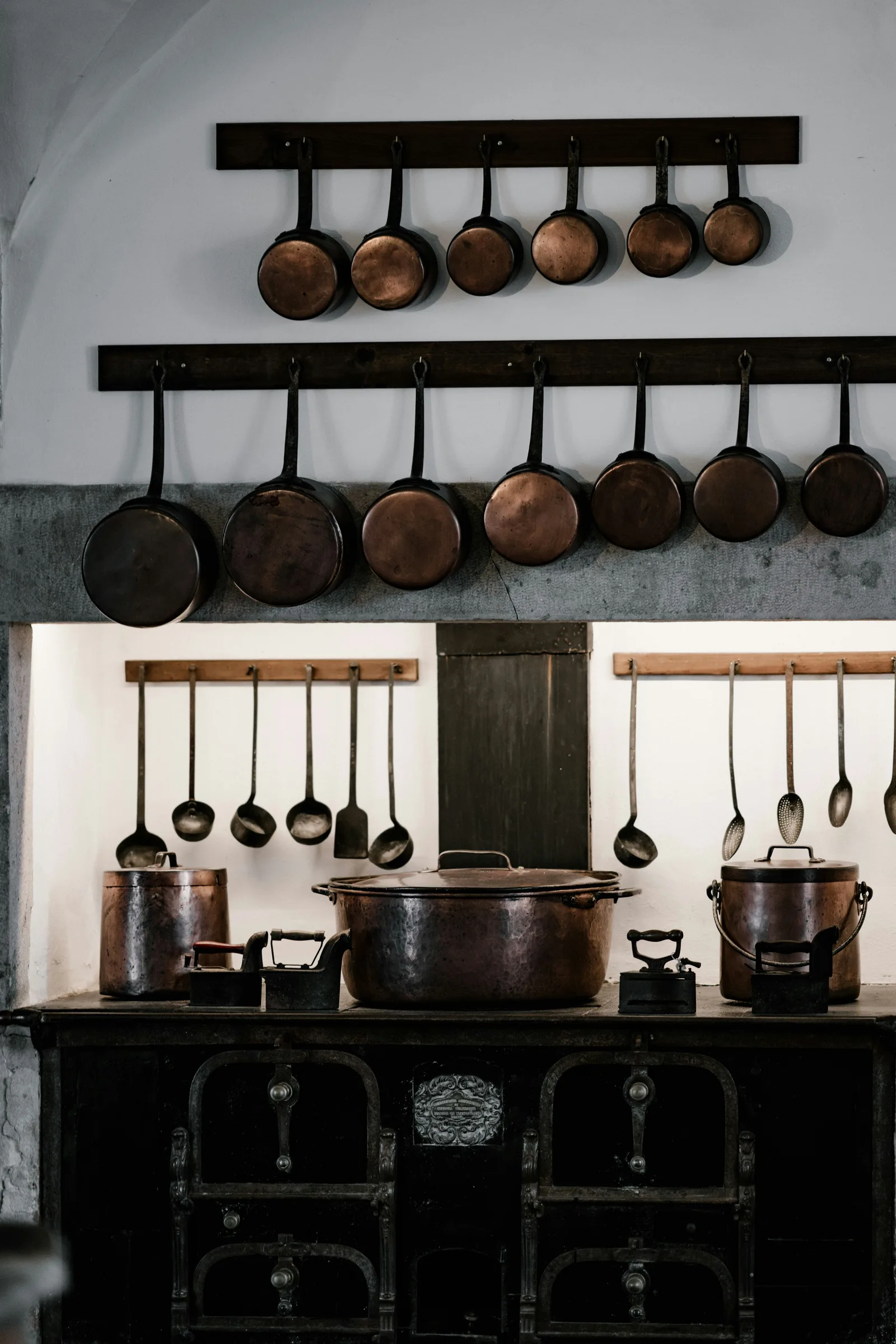
No pan material is best at everything. Stainless steel rewards browning and pan sauces. Cast iron stores heat and tolerates rough use. Nonstick makes delicate, low-fat cooking easier. The best small kitchen may use one versatile main pan and one inexpensive specialty pan.
Stainless steel
Clad stainless steel is durable, nonreactive, and excellent for browning meat, sautéing vegetables, and building sauces from the browned residue left behind. It can move from stovetop to oven if its handle and manufacturer allow it.
Food is more likely to stick when the pan, oil, or food surface is not ready. Stainless asks you to learn preheating, drying, and release. Very thin stainless pans may heat unevenly; a layered base or fully clad body helps distribute heat.
Practice those strengths with Stainless-Steel Chicken and Cabbage Stir-Fry, which uses the browned residue to build its sauce.
Cast iron
Cast iron changes temperature slowly and holds considerable heat. That makes it useful for searing, frying, baking, and cooking foods that would cool a lighter pan. It is inexpensive and can last for generations.
It is heavy, slower to respond when heat is adjusted, and needs drying to prevent rust. Long cooking with acidic ingredients can affect seasoning and sometimes flavor, especially in a newer pan. Seasoning improves release but does not make cast iron identical to modern nonstick.
See heat retention create a crisp baked edge in Cast-Iron Skillet Cornbread.
Nonstick
Nonstick is convenient for eggs, pancakes, delicate fish, and reheating foods with modest oil. It is light and easy to clean.
Its coating is consumable. Avoid overheating an empty pan, metal utensils unless the maker permits them, harsh abrasion, and temperatures beyond the manufacturer’s guidance. Replace a pan when the coating is badly scratched, peeling, or no longer releases reliably.
Use that easy release without sacrificing browning in Crispy Nonstick-Skillet Hash Browns.
A practical two-pan setup
For many cooks, a 10- to 12-inch stainless or cast-iron skillet handles the main work, while a smaller affordable nonstick pan handles eggs and delicate foods. Your strength, storage, burner size, and cleaning habits matter as much as material.
Before buying, compare construction, handle comfort, flatness, and usable cooking area in How to Buy a Good Cheap Pan or Skillet.