lesson
Why Yeast Does So Much Work
Turn a small amount of yeast, flour, water, salt, and time into bread while learning the cues that matter more than the clock.
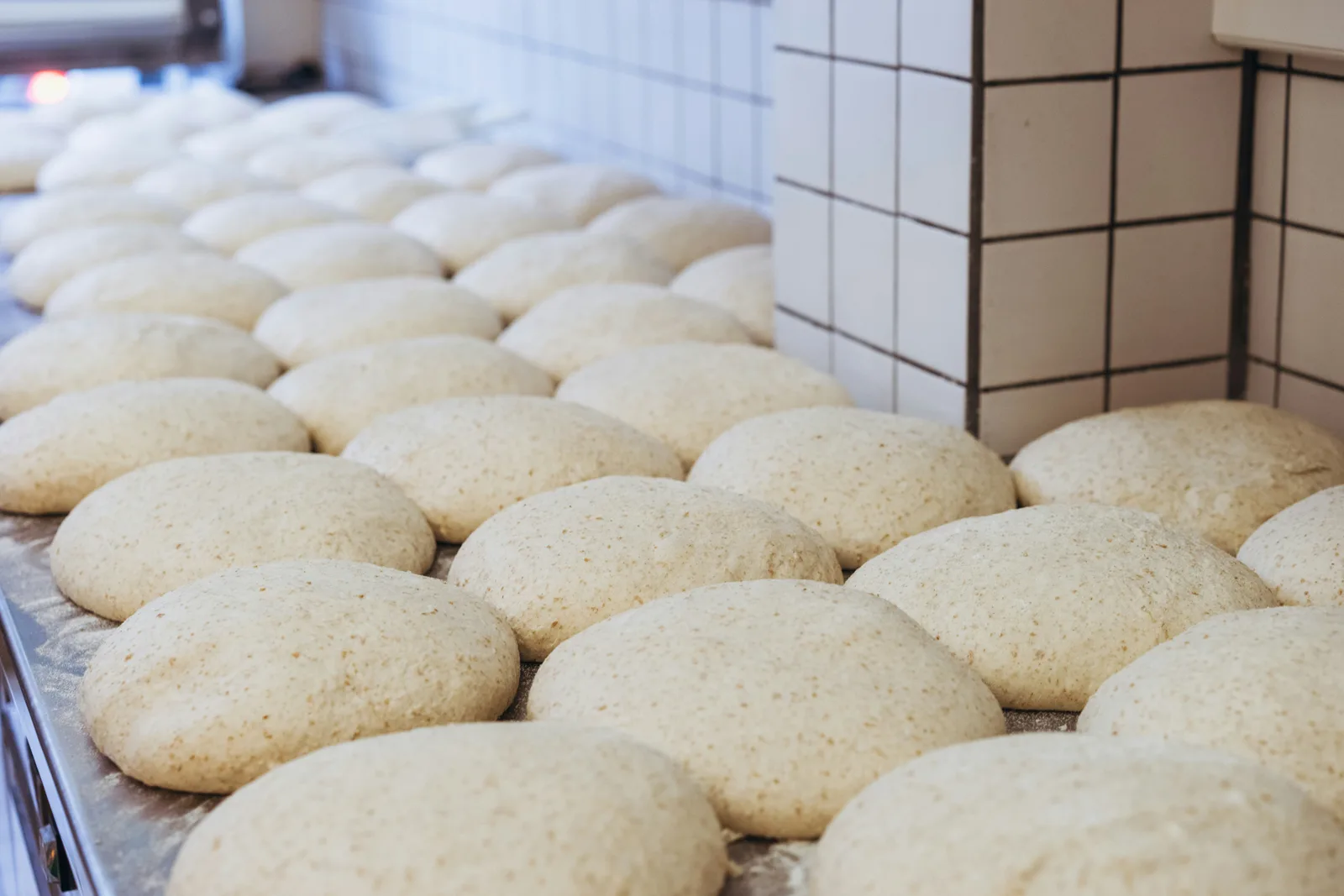
Commercial baker's yeast is a living microorganism. In moist dough it consumes available sugars and releases carbon dioxide and flavorful fermentation compounds. Gluten in wheat dough traps that gas, so a few grams of yeast can expand an entire loaf.
Yeast is not merely a faster baking powder. It needs time, and that time develops flavor and changes dough texture.
Choose a practical yeast
Instant yeast can usually be mixed directly with flour and is convenient for beginners. Active dry yeast has larger granules and is often dissolved in warm liquid first, although modern products vary. Follow the package and the recipe rather than assuming every type behaves identically.
Fresh yeast is less common in home kitchens and spoils quickly. Nutritional yeast is inactive and used for savory flavor; it cannot raise bread. Brewer's and wine yeasts are selected for fermentation and are not direct substitutes in ordinary bread recipes.
Buy small packets if you bake rarely. If you bake often, a sealed larger package costs less per loaf; refrigerate or freeze it according to the maker's directions and keep moisture out.
Control temperature, not just time
Warmth speeds yeast and cold slows it. Liquid that feels comfortably warm can help fermentation begin, but very hot liquid can damage or kill the yeast. An instant-read thermometer removes doubt when a recipe gives a temperature range.
Salt strengthens dough and controls fermentation but can inhibit yeast in a concentrated direct contact. Mix ingredients as the recipe directs. Sugar can feed yeast in small amounts, yet very sweet or rich doughs rise more slowly because sugar and fat change the environment.
Diagnose a loaf that will not rise
First give it more time in a comfortably warm place. If nothing happens, the yeast may be old, the liquid may have been too hot, or salt and sugar concentrations may be working against it. Test questionable yeast in warm water with a small pinch of sugar; visible foam after several minutes indicates activity, though the package directions remain the better guide.
If dough rises and then collapses, it may have fermented too long or lack enough structure to retain the gas. Shape it again if the recipe allows, shorten the next rise, and check that the flour and kneading method match the loaf.
For dependable results, weigh flour and water and let fermentation respond to room conditions. Learn why in Baking Measurements: Math + Chemistry, then see Flour Is More Than a Baking Ingredient for the structure holding all that gas.